

In the realms of scientific and technological research and space exploration, the significance of vacuum viewports cannot be underestimated. These specific components serve as key interfaces, allowing engineers to observe and interact with processes taking place within controlled environments. Whether it be studying materials under rigorous conditions in laboratories or enabling experiments within spacecraft, vacuum viewports play a critical role in enhancing our understanding of various concepts.
As progress, the applications of vacuum viewports persist to expand across diverse fields. Their ability to resist high pressures while providing a clear view makes them necessary in a variety of contexts. From the intricate experiments in research facilities to the extreme environments of outer space, vacuum viewports are key tools that enable innovation and discovery. Understanding their multifaceted uses not only highlights their significance but also reveals the complexities involved in scientific exploration.
Grasping Vacuum Ports
Vacuum viewports are meticulously crafted optical components created to allow visual access to environments maintained under negative pressure conditions. They are critical in multiple scientific and industrial applications, including research facilities, space exploration, and semiconductor manufacturing. By delivering a barrier that safeguards sensitive equipment from atmospheric pressure while enabling observation, vacuum viewports grant researchers and engineers to observe processes directly.
These viewports are generally made from robust materials such as optical glass or specialized polymers, which are chosen for their ability to endure high reduced pressure conditions and ensure clarity for visual inspection. The configuration of negative pressure ports often includes features like anti-reflective coatings and optical filters to improve the quality of the images seen through them. Their robust construction secures that they can endure the mechanical stress associated with differential pressure between the sealed environment and the external atmosphere.
Understanding the different types of vacuum viewports is important for selecting the appropriate one for a specific application. Various configurations exist, including flat and curved designs, each serving distinct purposes. For instance, level ports are often used in laboratory experiments, while arced ports might be used in spacecraft monitoring systems. The decision of viewport not only impacts the usability but also the quality of the vacuum-sealed environment, making informed selection vital for successful outcomes in high-stakes projects.
Utilizations in Scientific Environments
Vacuum windows play a vital role in scientific environments, particularly in R&D for multiple scientific fields. They allow investigators to monitor experiments occurring under managed vacuum conditions without sacrificing the stability of the test setup. By allowing visual access, vacuum viewports deliver a glimpse into processes like material outgassing, chemical reactions, and specimen behavior in vacuum environments, facilitating real-time data collection and evaluation.
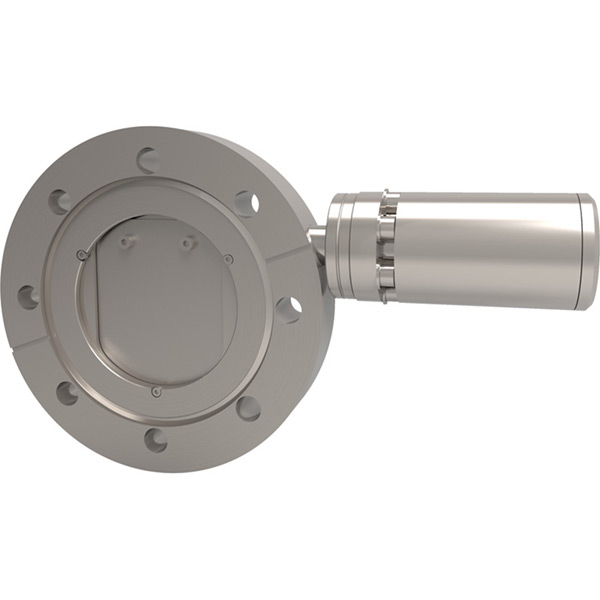
In areas such as physical sciences and materials science, vacuum viewports are integral to spectroscopic investigations, allowing scientists to conduct experiments while reducing contamination from air. These viewports are built to tolerate extreme conditions, ensuring that the vacuum integrity is maintained during data collection. With the help of high-quality optics, researchers can capture detailed images and spectra, enhancing their understanding of phenomena at atomic and molecular levels.
Furthermore, vacuum viewports are important in biological and chemist laboratories, where they are used in conjunction with numerous instrumentation like electron microscopes and mass spectrometers. They support advanced techniques such as X-ray diffraction and scanning electron microscopy by providing a distinct field of view while maintaining a vacuum. This makes certain that delicate samples can be studied without interaction to atmospheric conditions that could alter their properties or lead to degradation.
Incorporation in Spacecraft Design
Vacuum viewports play a key role in the design of modern space vehicles, providing important features that enhance operation and security. These specialized windows are crafted to withstand the extreme pressure encountered in the vacuum of space, ensuring that crew members can see their surroundings while remaining protected from the harsh conditions beyond. The integration of vacuum viewports provides for a clear line of sight, enabling astronauts to watch and interact with their spacecraft's outer surface without sacrificing structural integrity.
In moreover to providing visibility, vacuum viewports contribute in thermal management within spacecraft. They are constructed with special coatings and materials that help control temperatures and scattered light, ensuring a cozy environment for the crew. The thoughtful selection of materials for these viewports is essential, as they must endure significant temperature changes while resisting wear from radiation exposure. This incorporation supports the entire mission objectives while ensuring crew safety and working efficiency.
Furthermore, the design of vacuum viewports includes innovative technologies that enhance communication and data collection. Equipped with detection devices or camera systems, these viewports can send real-time information back to mission control, thus improving situational awareness. This versatile approach to integrating vacuum viewports into spacecraft design demonstrates the value of advancement in aerospace engineering, ensuring that astronauts can perform their missions efficiently and securely.